Explore Jaipur Local Sightseeing
Discover historical palaces, fort complexes, traditional bazaars, and temples connected by the Jaipur Metro Pink Line.
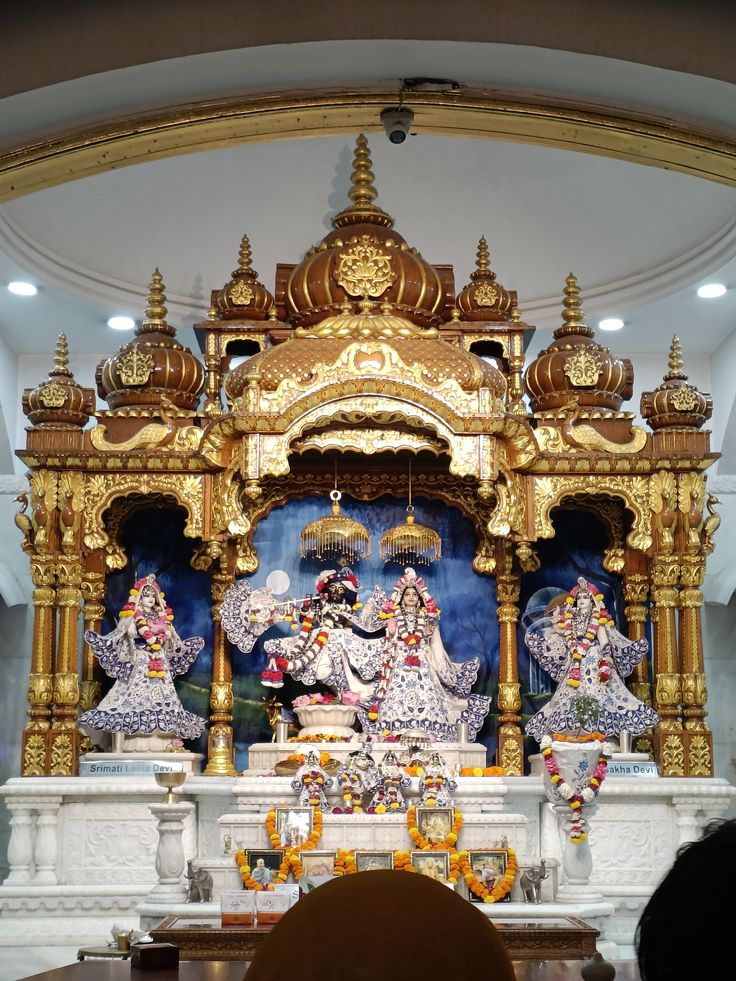
ISKCON Temple
A major Krishna temple set on several acres of land, known for its stunning white marble architecture and beautifully maintained gardens. It features a Govinda's vegetarian restaurant, a bookstore, and peaceful prayer halls that offer a serene escape from the city bustle.
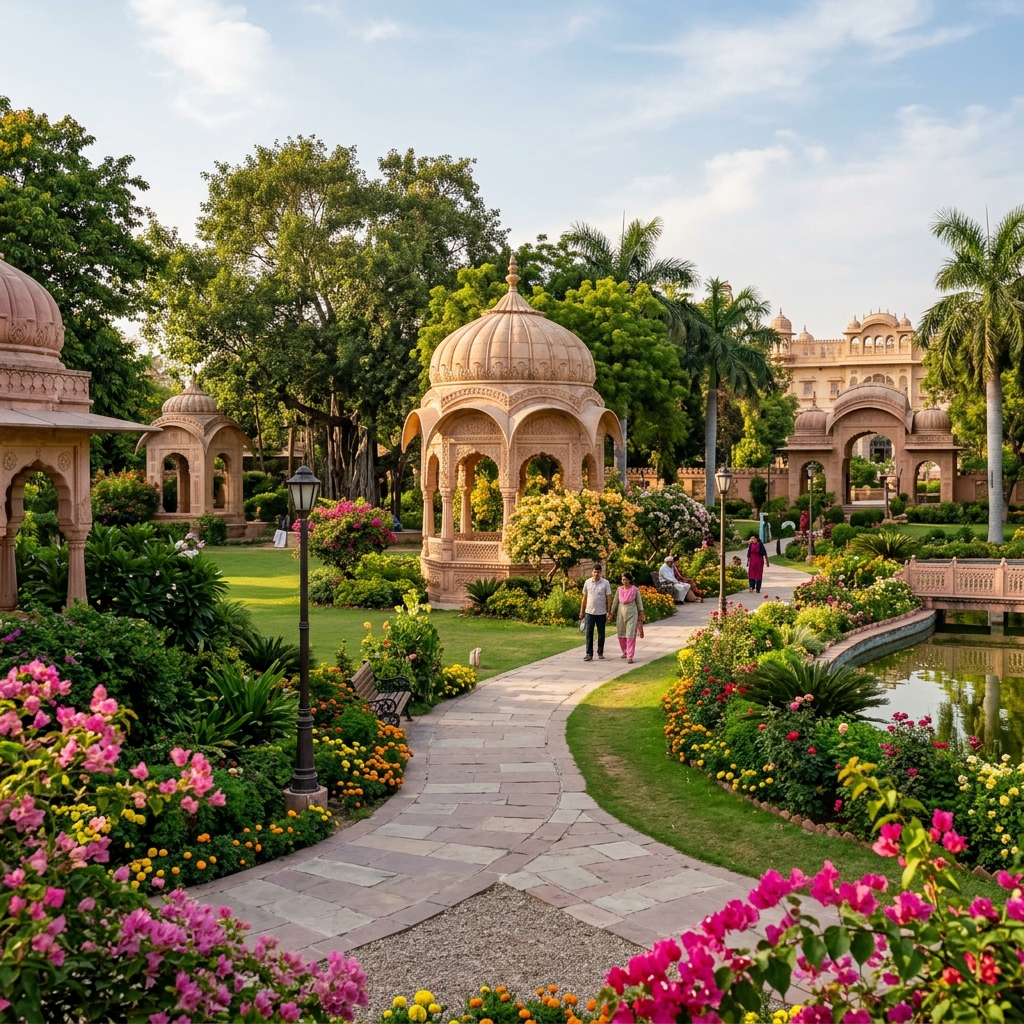
Mansarovar Garden
Located at Mansarovar, Jaipur, Rajasthan 302020, India, approximately 0.3 km from Mansarovar Metro Station.
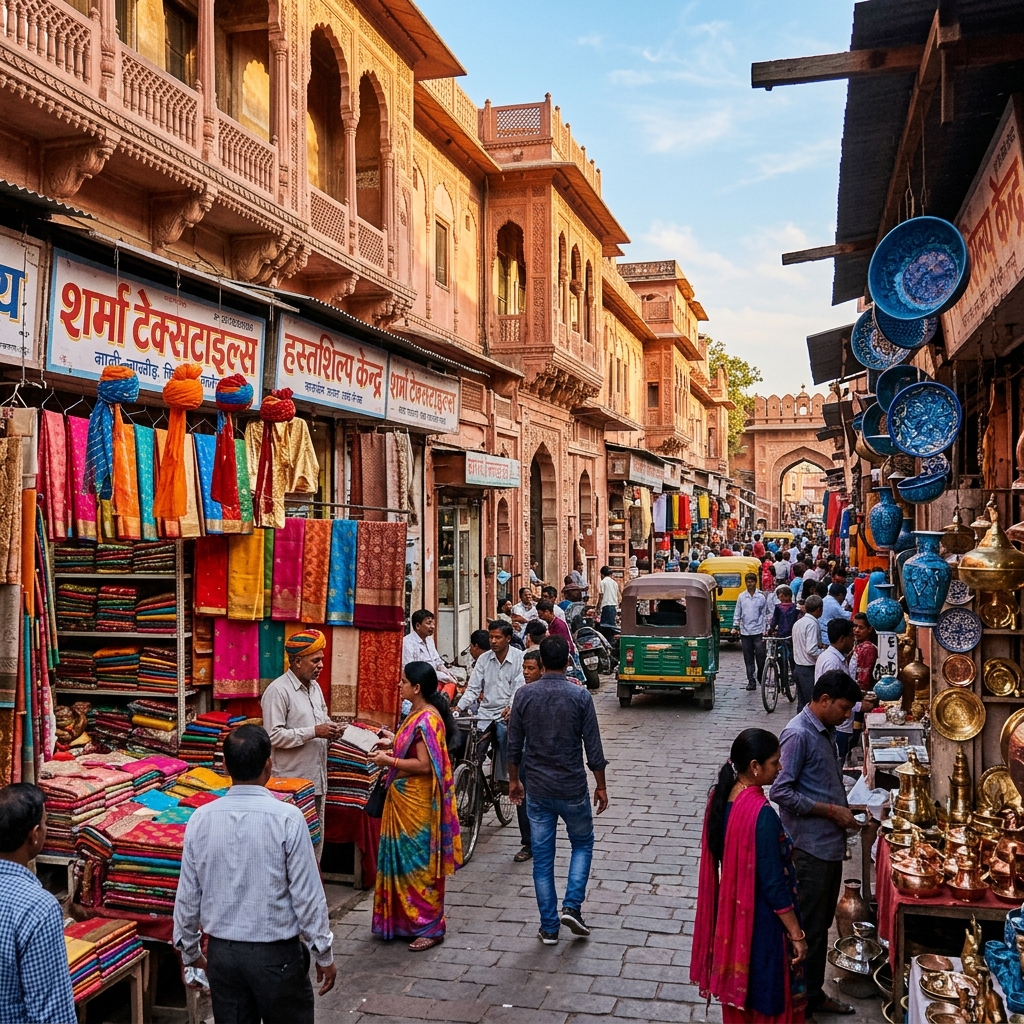
Mansarovar Market
Located at Mansarovar, Jaipur, Rajasthan 302020, India, approximately 0.5 km from Mansarovar Metro Station.
Sector 4 Market, Mansarovar
Located at Sector 4, Mansarovar, Jaipur, Rajasthan 302020, India, approximately 0.8 km from Mansarovar Metro Station.

Monilek Hospital
Located at Sector 4, Mansarovar, Jaipur, Rajasthan 302020, India, approximately 1.5 km from Mansarovar Metro Station.
Tagore Hospital and Heart Care Centre
Located at Sector 7, Mansarovar, Jaipur, Rajasthan, India, approximately 1.8 km from Mansarovar Metro Station.
Asopa Hospital
Located at Mansarovar, Jaipur, Rajasthan, India, approximately 1.9 km from Mansarovar Metro Station.
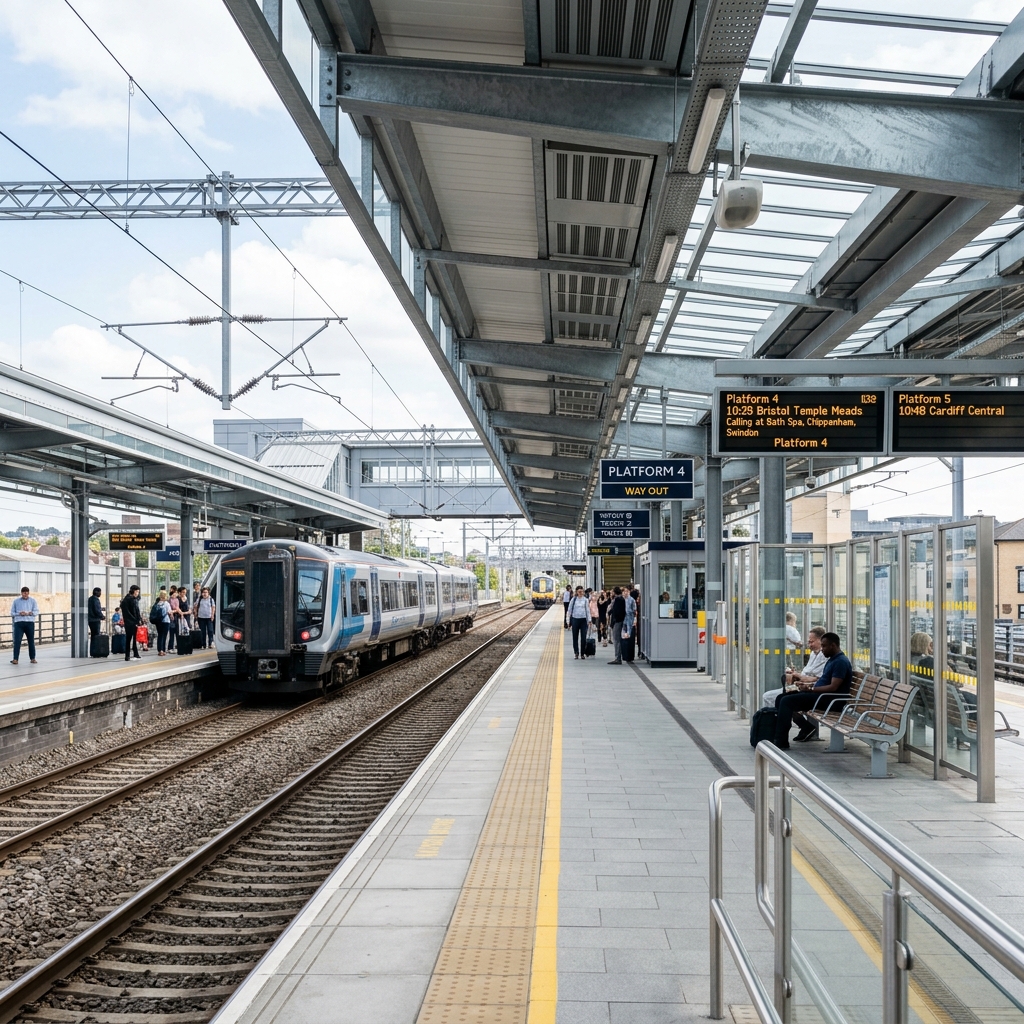
Jaipur International Airport (JAI)
Located at Sanganer, Jaipur, Rajasthan 302029, India, approximately 9.8 km from Mansarovar Metro Station.
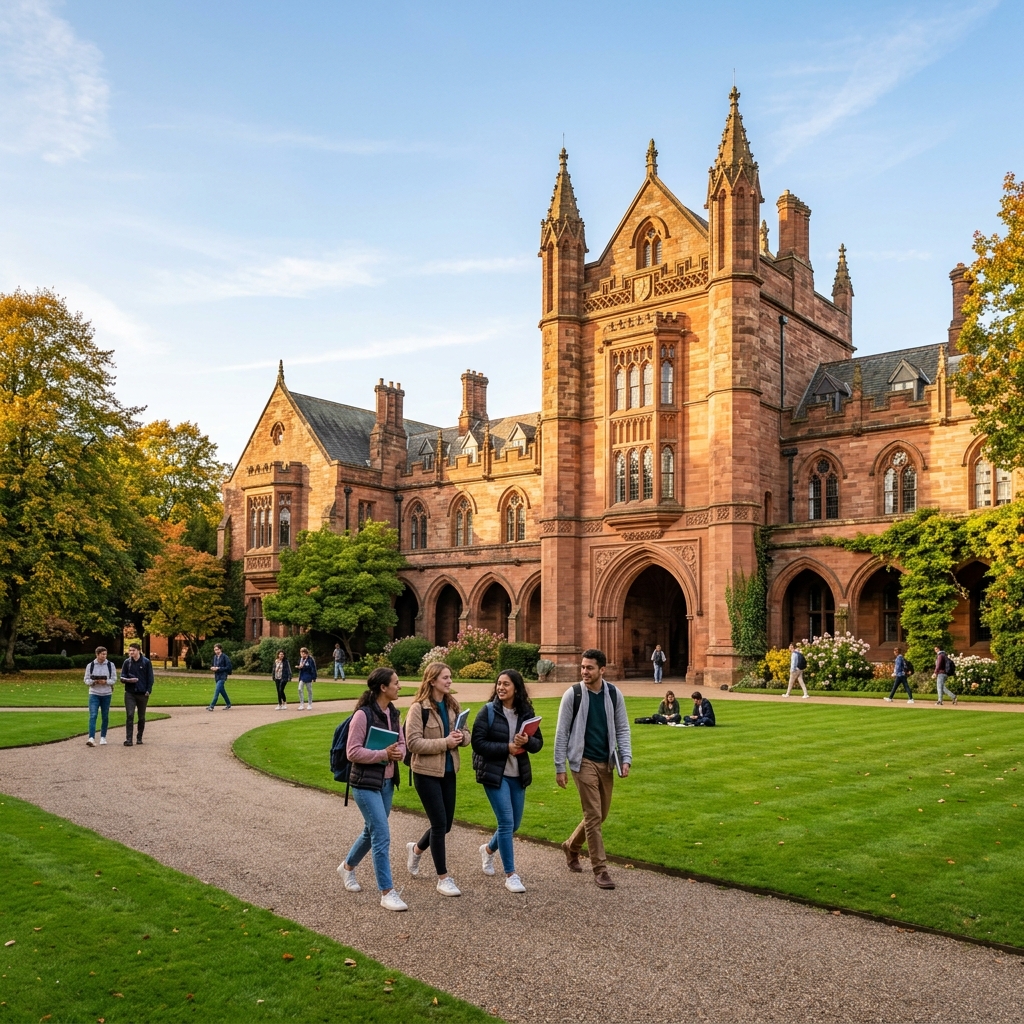
JECRC University
Located at Plot No. IS-2036 to 2039, Ramchandrapura Industrial Area, Sitapura, Jaipur, Rajasthan 302022, India, approximately 7.2 km from Mansarovar Metro Station.
Jagatpura Railway Station
Located at Jagatpura, Jaipur, Rajasthan 302017, India, approximately 10.2 km from Mansarovar Metro Station.
New Aatish Market
Located at New Aatish Market, Mansarovar, Jaipur, Rajasthan 302020, India, approximately 0.2 km from New Aatish Market Metro Station.
Swasthya Mangalam Family Health Centre
Located at Near New Aatish Market, Mansarovar, Jaipur, Rajasthan, India, approximately 0.3 km from New Aatish Market Metro Station.
Jaipur Doorbeen Hospital
Located at New Aatish Market area, Jaipur, Rajasthan, India, approximately 0.6 km from New Aatish Market Metro Station.
Chanda Devi Memorial Hospital
Located at New Aatish Market area, Jaipur, Rajasthan, India, approximately 0.7 km from New Aatish Market Metro Station.
Dharam Park
Located at Sushilpura, Jaipur, Rajasthan, India, approximately 0.3 km from New Aatish Market Metro Station.
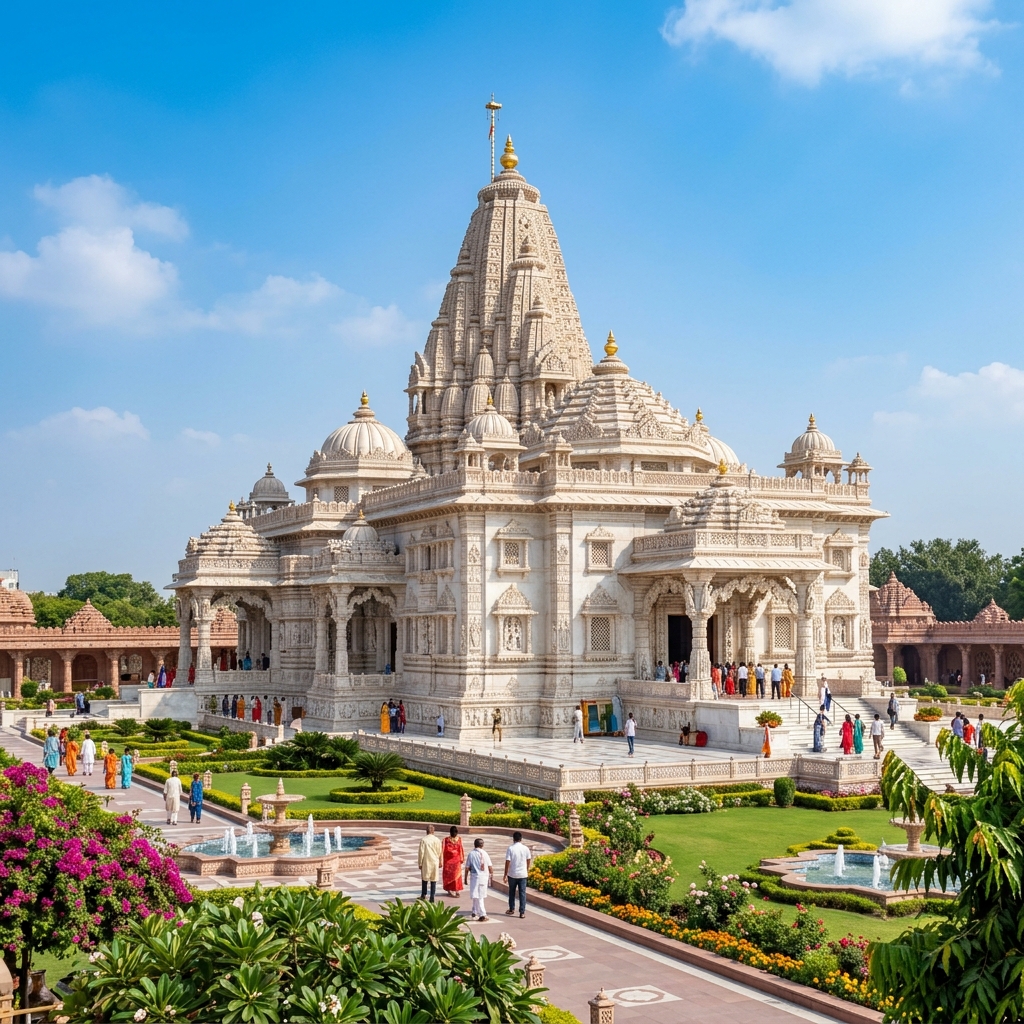
Akshardham Temple Jaipur
Located at Vaishali Nagar, Jaipur, Rajasthan, India, approximately 1.5 km from New Aatish Market Metro Station.
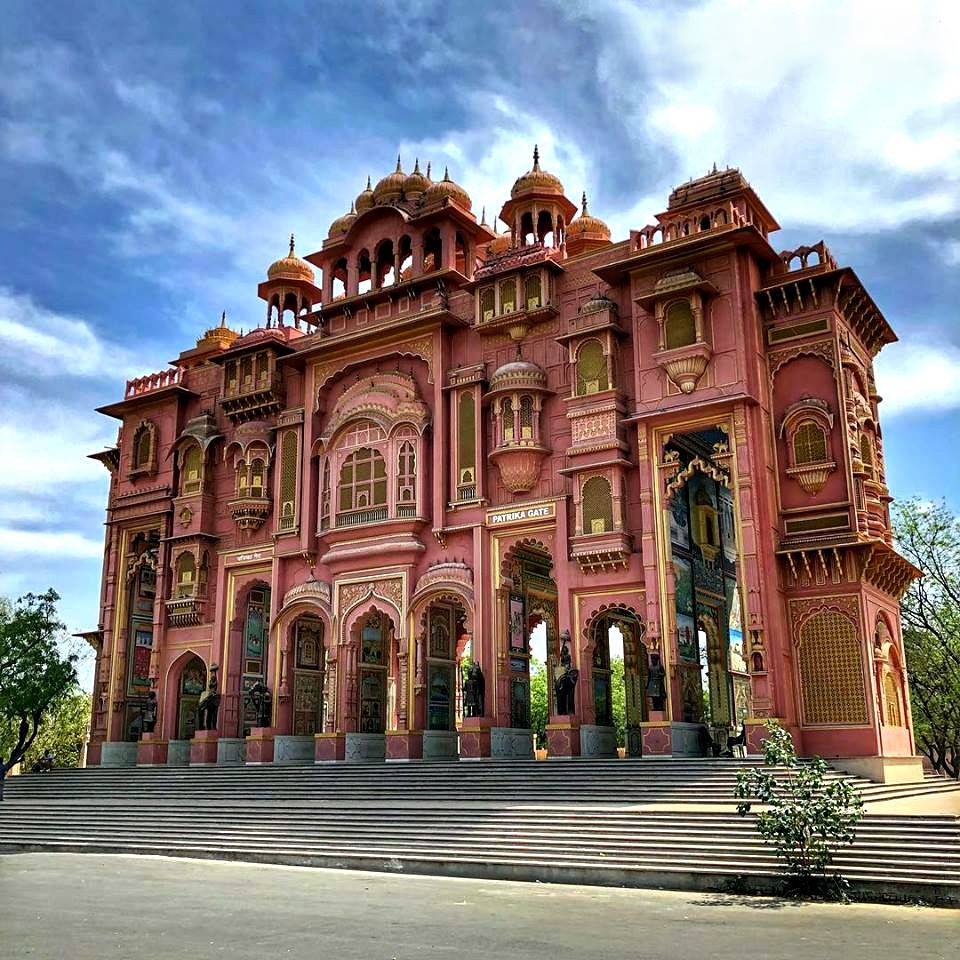
Patrika Gate
A vibrant, hand-painted gateway representing Rajasthan's rich culture and heritage. One of the most photographed spots in Jaipur.
Vivek Vihar Park
Located at Vivek Vihar, Jaipur, Rajasthan 302019, India, approximately 0.4 km from Vivek Vihar Metro Station.
Sanjeevani Hospital and Medical Research Institute
Located at Shyam Nagar / Sodala area, Jaipur, Rajasthan, India, approximately 1 km from Vivek Vihar Metro Station.
Manu Hospital
Located at Sodala, Jaipur, Rajasthan, India, approximately 1.3 km from Vivek Vihar Metro Station.
Jawahar Circle Garden
Located at Jawahar Circle, JLN Marg, Jaipur, Rajasthan, India, approximately 2.5 km from Vivek Vihar Metro Station.
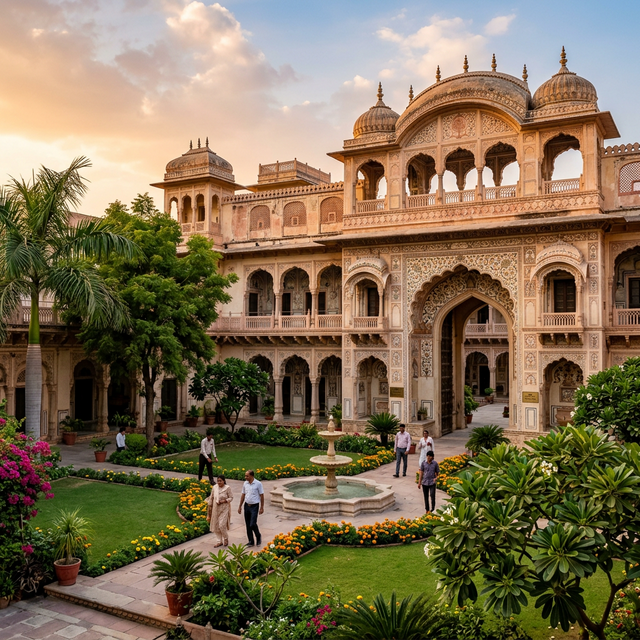
Diggi Palace
A heritage haveli famous for hosting the Jaipur Literature Festival. Features beautiful courtyards and gardens.
Shyam Nagar Market
Located at New Sanganer Road, Shyam Nagar, Jaipur, Rajasthan 302019, India, approximately 0.3 km from Shyam Nagar Metro Station.
Sanjeevani Hospital
Located at Shyam Nagar, Jaipur, Rajasthan, India, approximately 0.4 km from Shyam Nagar Metro Station.
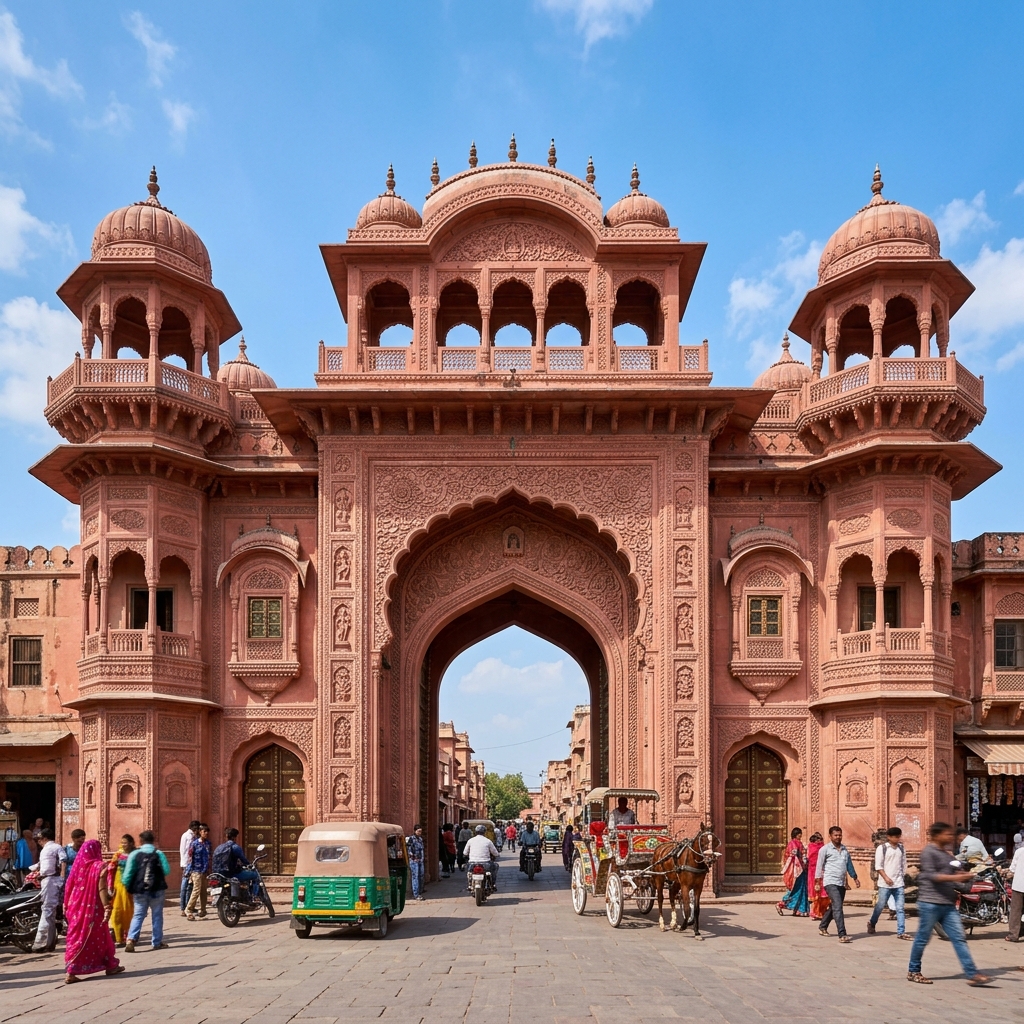
Ahinsa Circle
Located at Shyam Nagar, Jaipur, Rajasthan, India, approximately 0.7 km from Shyam Nagar Metro Station.
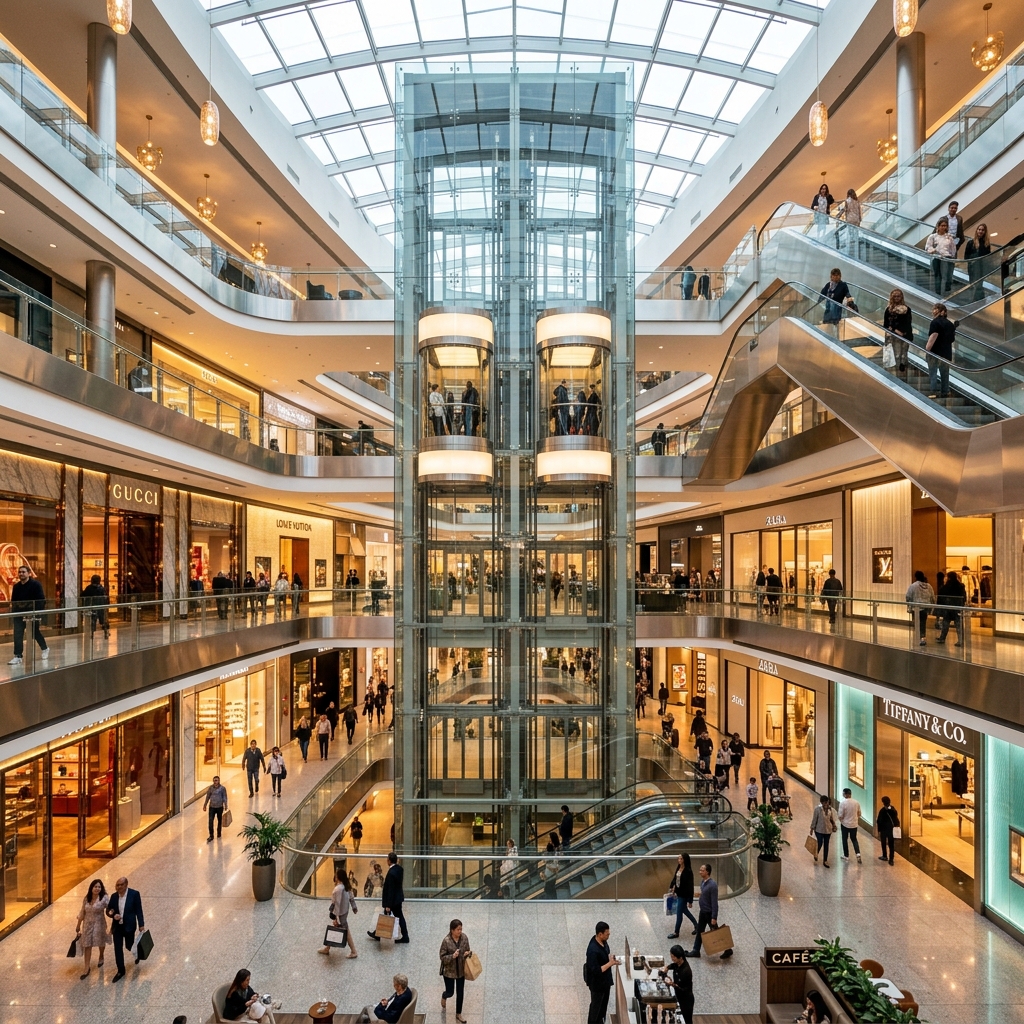
Elements Mall
Located at Ajmer Road / Sodala area, Jaipur, Rajasthan, India, approximately 1.5 km from Shyam Nagar Metro Station.
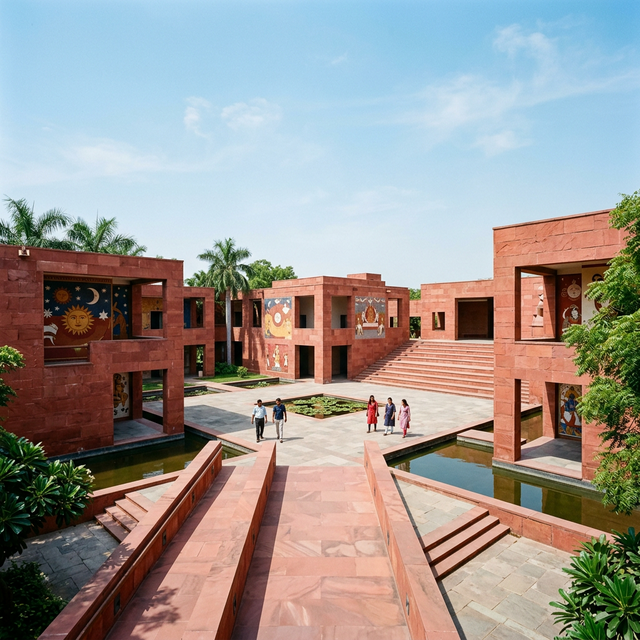
Jawahar Kala Kendra
A multi-arts centre designed to preserve Rajasthani arts and crafts. Known for its unique architecture and galleries.
Ram Nagar Extension Park
Located at Ram Nagar, Jaipur, Rajasthan 302016, India, approximately 0.4 km from Ram Nagar Metro Station.
Maharani College
Located at Ram Singh Road, Jaipur, Rajasthan, India, approximately 1.5 km from Ram Nagar Metro Station.
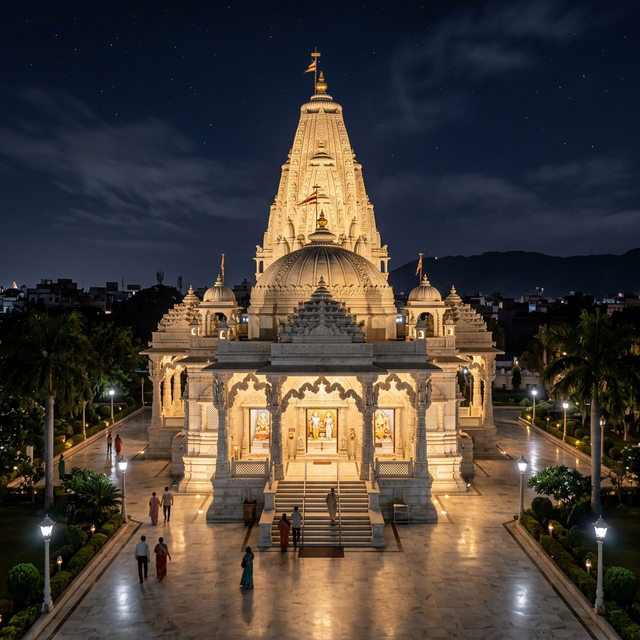
Birla Mandir
Located at Moti Dungari Road, Tilak Nagar, Jaipur, Rajasthan 302004, India, approximately 2 km from Civil Lines Metro Station.
SMS Hospital
Located at JLN Marg, Jawaharlal Nehru Medical College Campus, Jaipur, Rajasthan 302004, India, approximately 1.2 km from Civil Lines Metro Station.
Sawai Mansingh Stadium
Located at Jan Path, Ashok Nagar, Jaipur, Rajasthan 302005, India, approximately 1.2 km from Civil Lines Metro Station.
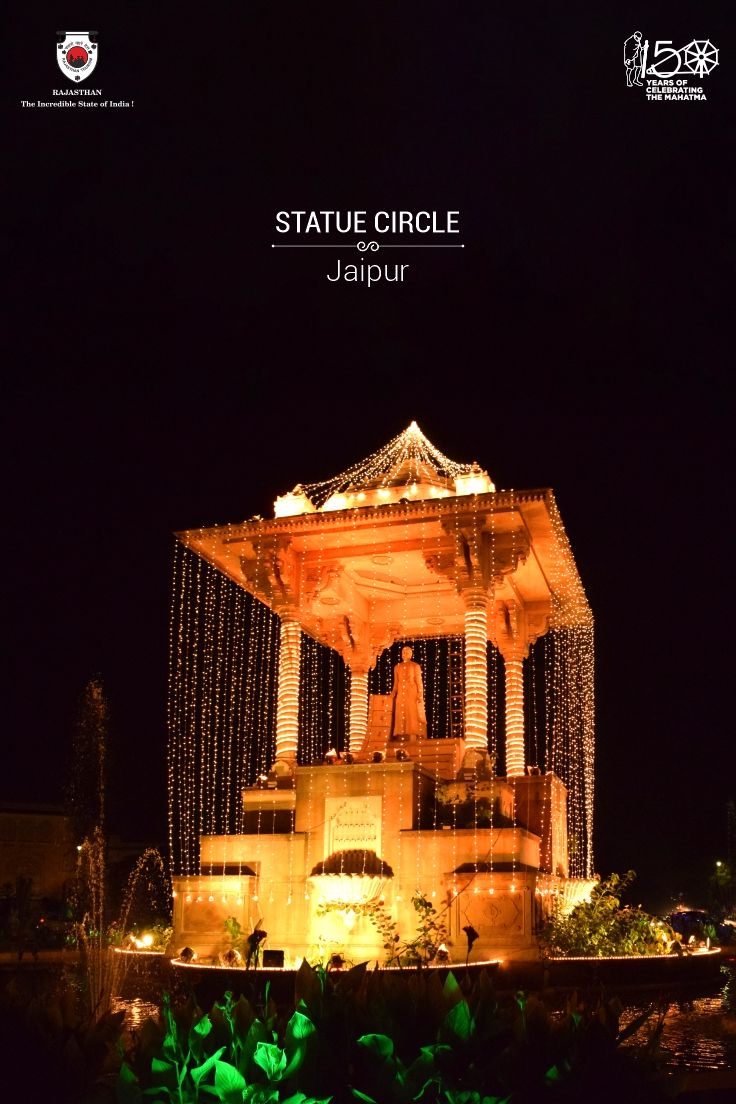
Statue Circle
Located at C-Scheme, Jaipur, Rajasthan 302001, India, approximately 1.5 km from Civil Lines Metro Station.
Gaurav Tower
Located at Malviya Nagar, Jaipur, Rajasthan, India, approximately 2.8 km from Civil Lines Metro Station.
Rajasthan Legislative Assembly (Vidhan Bhavan)
Located at Pankaj Singhvi Marg, Jyoti Nagar, Lalkothi, Jaipur, Rajasthan 302005, India, approximately 2.5 km from Civil Lines Metro Station.
Government Secretariat, Rajasthan
Located at Government Secretariat, Jaipur, Rajasthan 302005, India, approximately 2.5 km from Civil Lines Metro Station.
Rajasthan High Court Bench, Jaipur
Located at High Court Campus, Jaipur, Rajasthan 302005, India, approximately 2.7 km from Civil Lines Metro Station.
MNIT Jaipur (Malaviya National Institute of Technology)
Located at Jawaharlal Nehru Marg, Jhalana Doongri, Jaipur, Rajasthan 302017, India, approximately 6.8 km from Civil Lines Metro Station.
SMS Hospital (Sawai Man Singh Hospital)
Located at Jawaharlal Nehru Marg, C Scheme, Ashok Nagar, Jaipur, Rajasthan 302004, India, approximately 8.1 km from Civil Lines Metro Station.
Patrika Gate (Jawahar Circle)
Located at Jawahar Circle, Sanganer, Jaipur, Rajasthan 302018, India, approximately 8.8 km from Civil Lines Metro Station.
World Trade Park (WTP)
Located at Jawaharlal Nehru Marg, D-Block, Malviya Nagar, Jaipur, Rajasthan 302017, India, approximately 8.9 km from Civil Lines Metro Station.
Raja Park
Located at Raja Park, Jaipur, Rajasthan 302004, India, approximately 8.5 km from Civil Lines Metro Station.
C-Scheme
Located at C Scheme, Ashok Nagar, Jaipur, Rajasthan 302001, India, approximately 10 km from Civil Lines Metro Station.
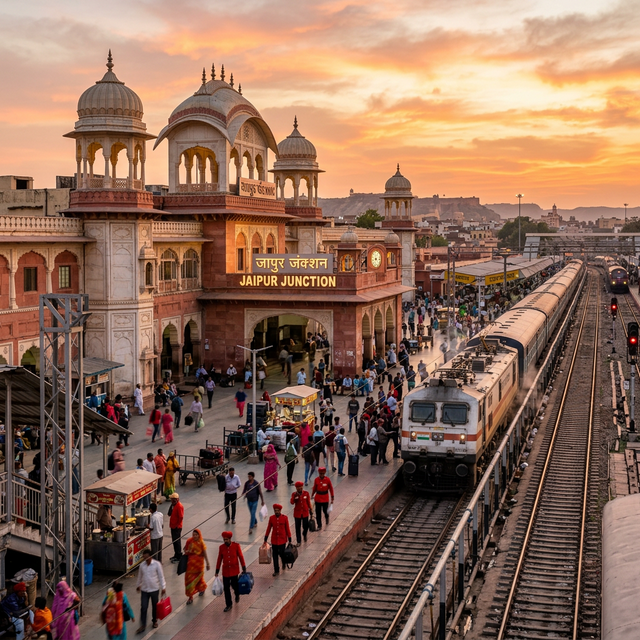
Jaipur Junction
One of India's most beautiful railway stations, featuring Rajput-Mughal style architecture and a pink sandstone facade.
Jaipur Junction Railway Station
Located at Station Road, Gopalbari, Jaipur, Rajasthan 302006, India, approximately 0.1 km from Railway Station Metro Station.
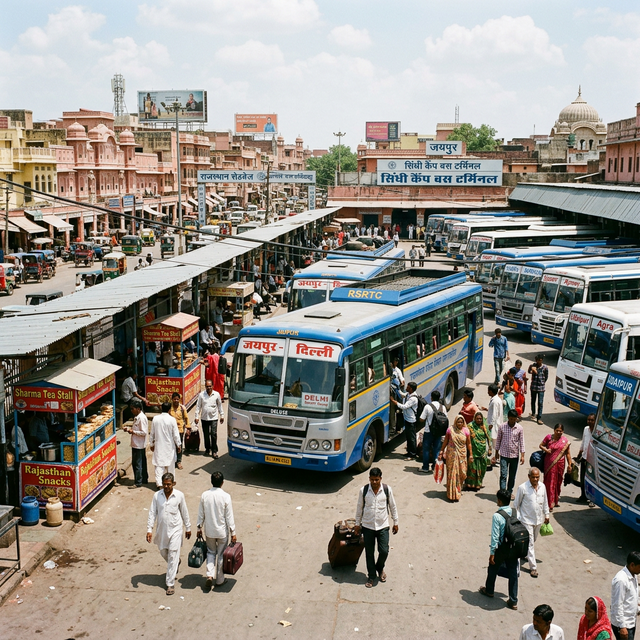
Sindhi Camp Bus Stand
Located at Station Road, Sindhi Camp, Jaipur, Rajasthan 302006, India, approximately 0.8 km from Railway Station Metro Station.
Bais Godam Railway Station
Located at Raj Bhavan Road, Keshav Nagar, Civil Lines, Jaipur, Rajasthan, India, approximately 1.5 km from Railway Station Metro Station.
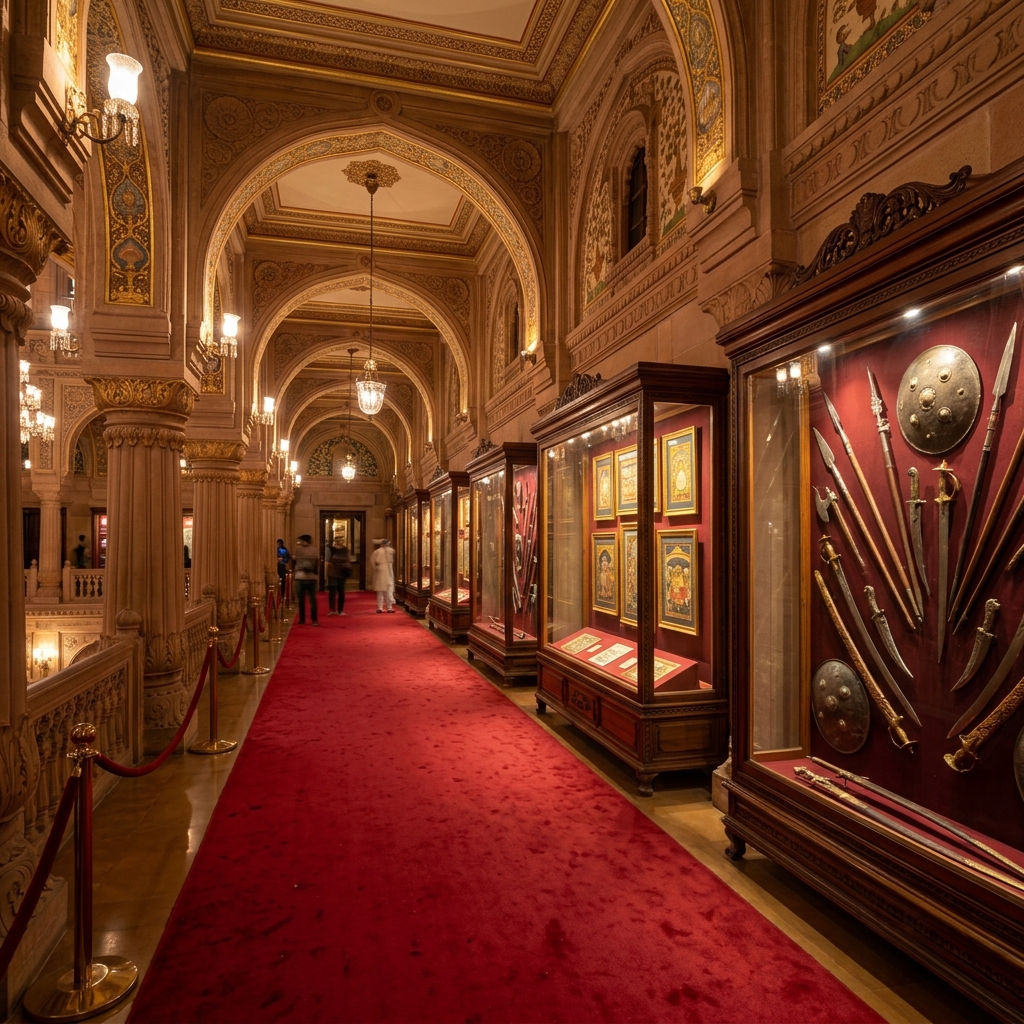
Amrapali Museum
Located at Kishanpole Bazar, Jaipur, Rajasthan 302001, India, approximately 2.3 km from Railway Station Metro Station.
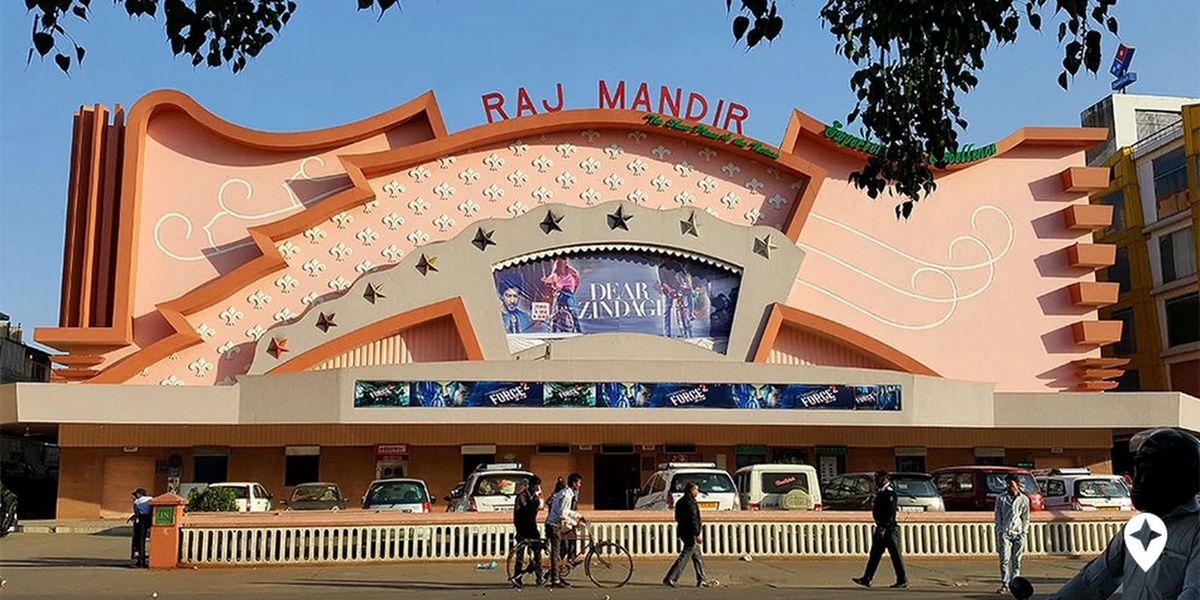
Raj Mandir Cinema
A famous Art Deco cinema hall known as the 'Pride of Asia'. Watching a Bollywood movie here is a unique Jaipur experience.
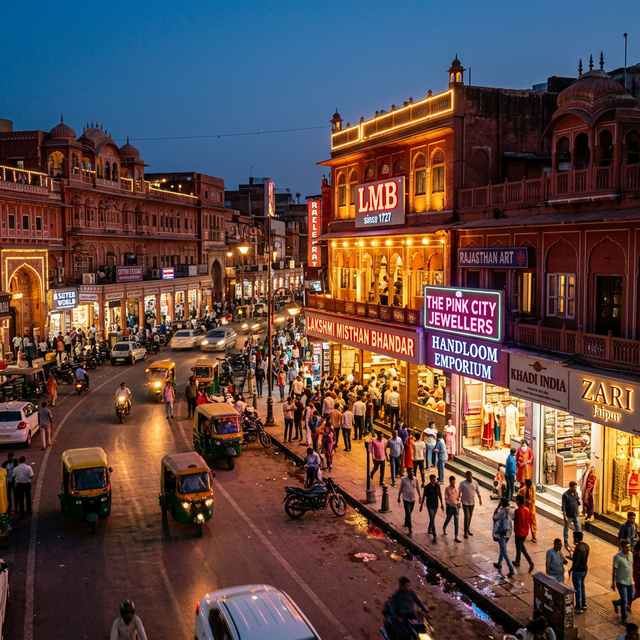
MI Road
Jaipur's main commercial street, home to traditional sweet shops, luxury boutiques, and high-end restaurants.
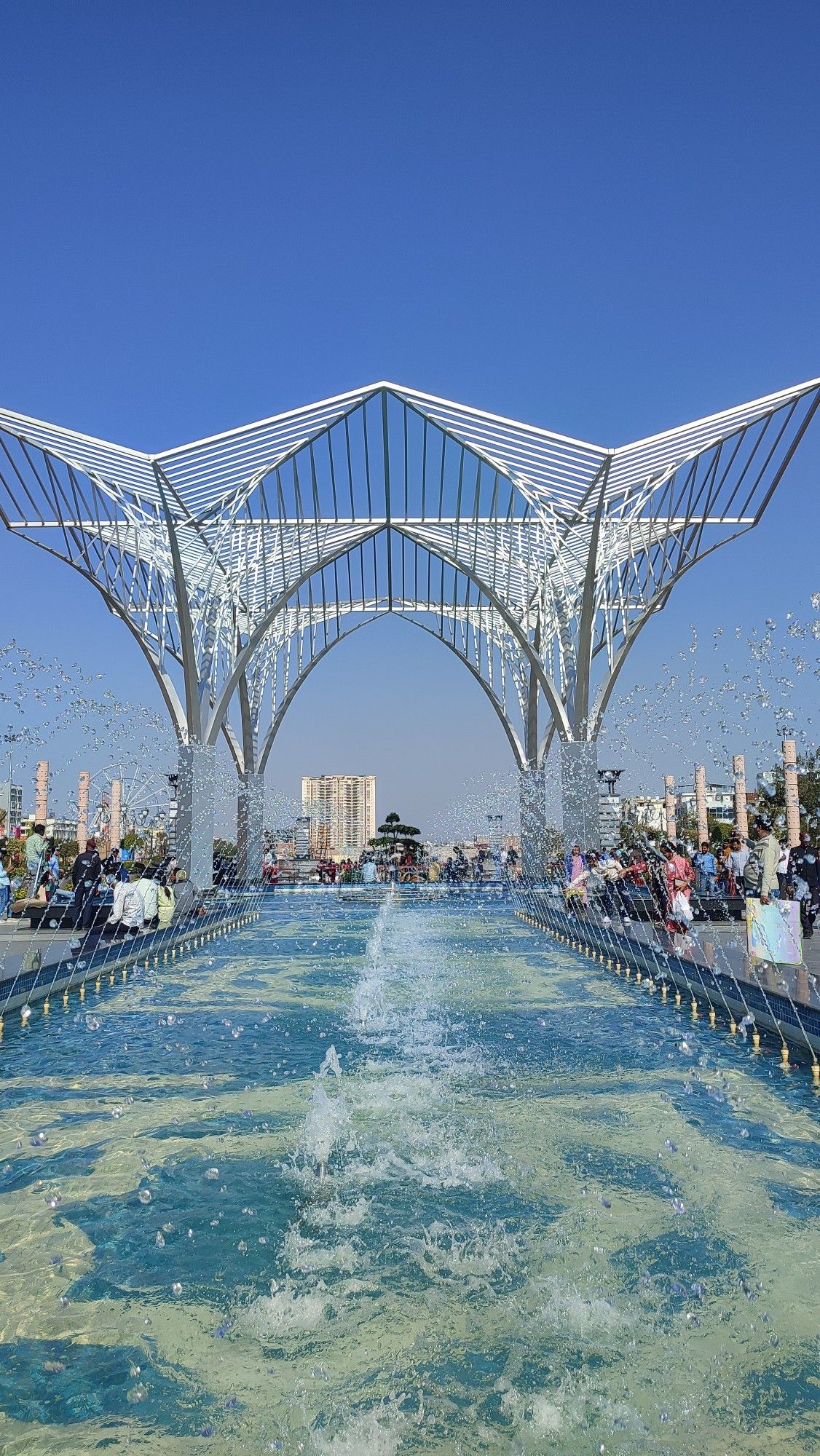
Central Park
A large urban park featuring a musical fountain, jogging tracks, and the tallest flagpole in the state.
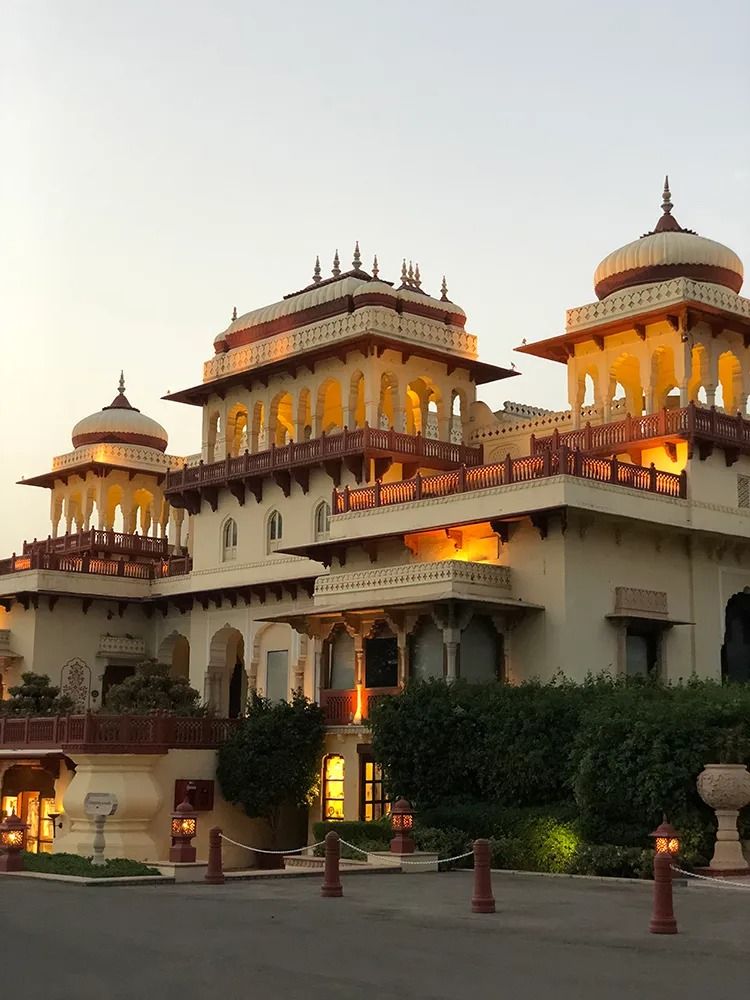
Rambagh Palace
A former royal residence turned luxury hotel, set in 47 acres of beautiful Mughal gardens.
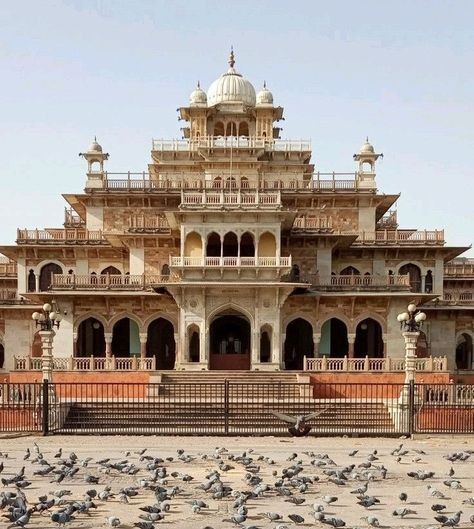
Albert Hall Museum
Located at Ram Niwas Garden, Ashok Nagar, Jaipur, Rajasthan 302004, India, approximately 2 km from Sindhi Camp Metro Station.
Sindhi Camp Bus Terminal
Located at Station Road, Sindhi Camp, Jaipur, Rajasthan 302006, India, approximately 0.2 km from Sindhi Camp Metro Station.
Sindhi Camp Market
Located at Sindhi Camp, Jaipur, Rajasthan 302006, India, approximately 0.3 km from Sindhi Camp Metro Station.
Zanana Hospital
Located at Jorawar Singh Gate, Jaipur, Rajasthan, India, approximately 1.7 km from Sindhi Camp Metro Station.
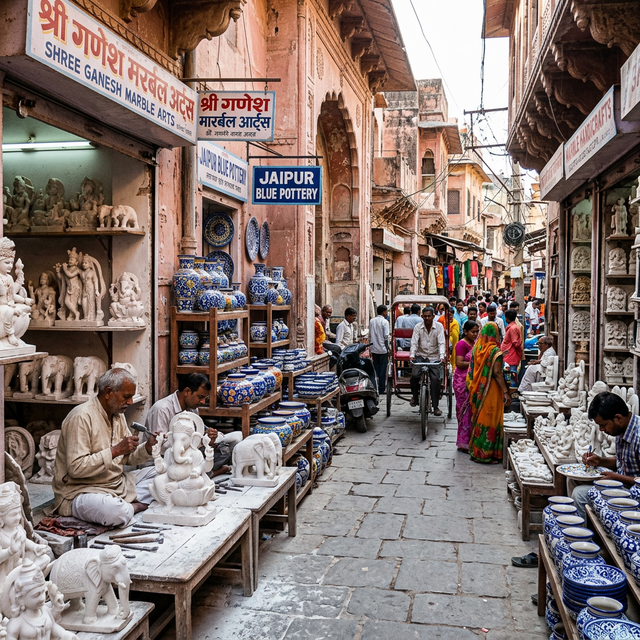
Chandpole Bazaar
One of Jaipur's oldest commercial streets running from Chandpole Gate. It specializes in white marble handicrafts, hand-carved furniture, and the city's famous blue pottery. The area provides a very authentic glimpse into the traditional trading culture of the Pink City.
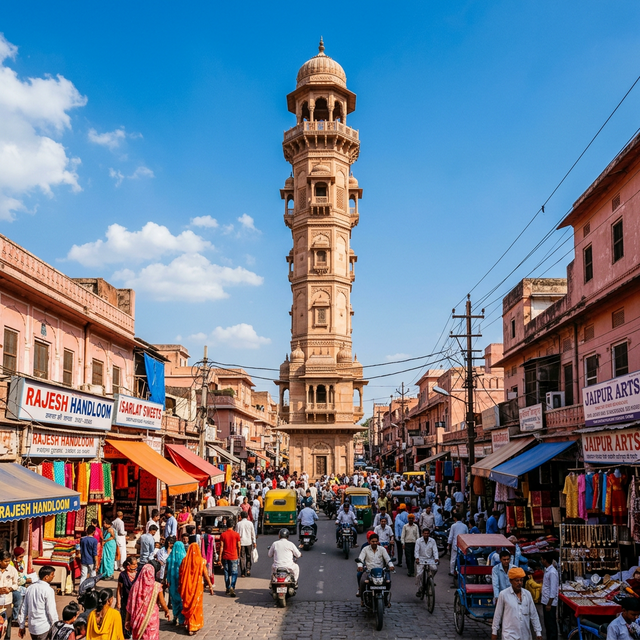
Isarlat Tower
A dramatic 30-metre victory tower built in 1749 by Maharaja Ishwari Singh. A spiral internal staircase climbs to the rooftop, offering a sweeping panoramic view over the entire Walled City. It is one of Jaipur's best-kept secrets and is often overlooked by tourists.
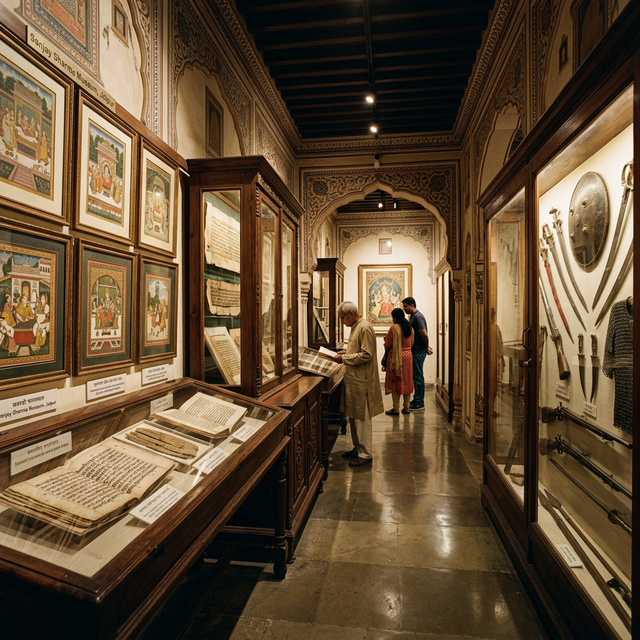
Sanjay Sharma Museum
A private museum with a vast collection of ancient manuscripts, Rajput paintings, and historical artifacts.
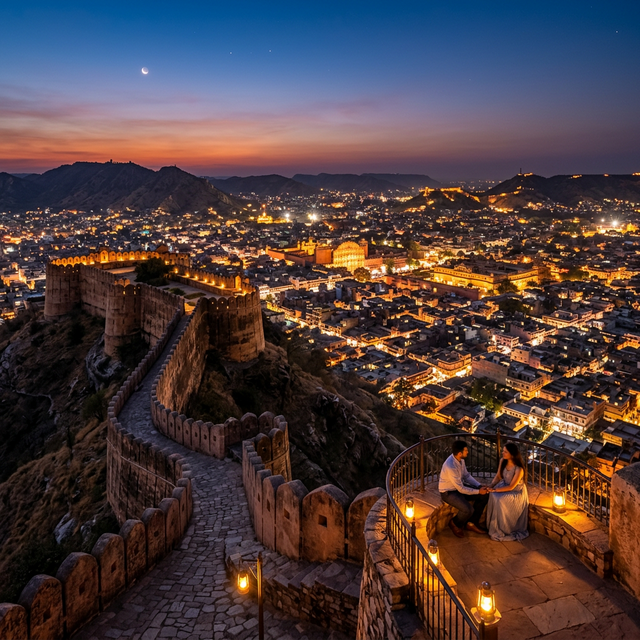
Nahargarh Fort
A hilltop fort offering breathtaking sunset views of the entire Pink City.
Chandpole Gate
Located at Chandpole Bazar Road, Pink City, Jaipur, Rajasthan 302001, India, approximately 0.1 km from Chandpole Metro Station.
Isar Lat (Swargasuli Tower)
Located at Kishanpole Bazar Road, Jaipur, Rajasthan 302001, India, approximately 0.8 km from Chandpole Metro Station.
Ajmeri Gate
Located at Nehru Bazar Road, Jaipur, Rajasthan 302003, India, approximately 1.1 km from Chandpole Metro Station.
Jhotwara
Located at Jhotwara, Jaipur, Rajasthan 302012, India, approximately 8.7 km from Chandpole Metro Station.
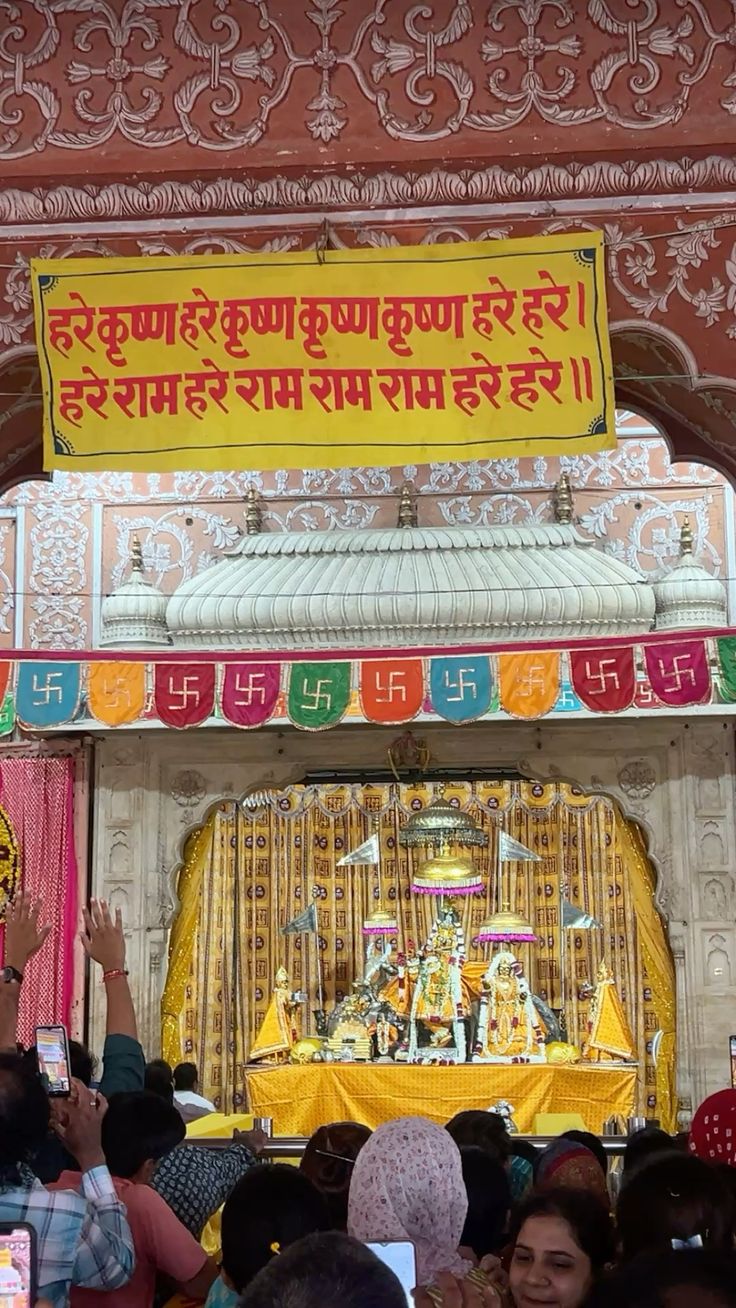
Govind Dev Ji Temple
A highly revered Krishna temple located within the City Palace complex. Famous for its daily Aarti sessions.
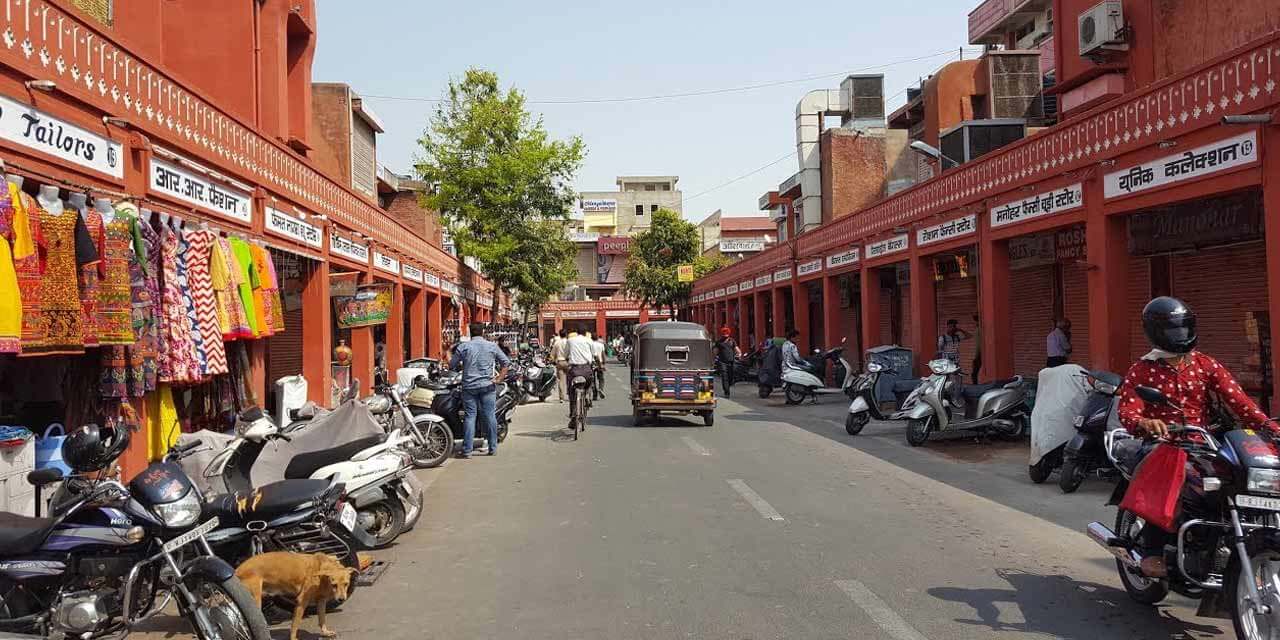
Bapu Bazaar
Located at Biseswarji, Jaipur, Rajasthan 302007, India, approximately 0.5 km from Chhoti Chaupar Metro Station.
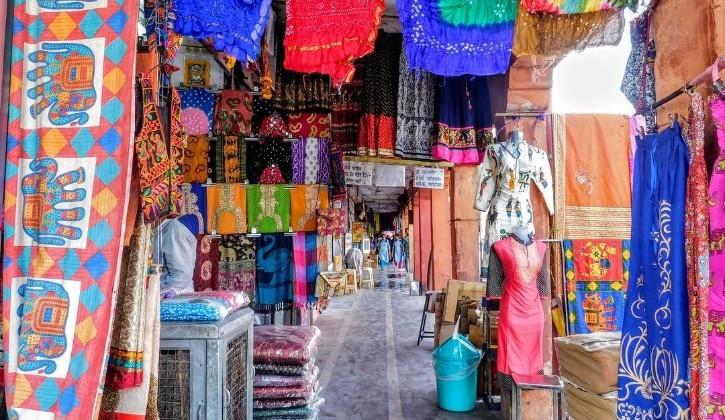
Nehru Bazaar
A vibrant market known for its colorful mojari shoes and authentic Rajasthani textiles.
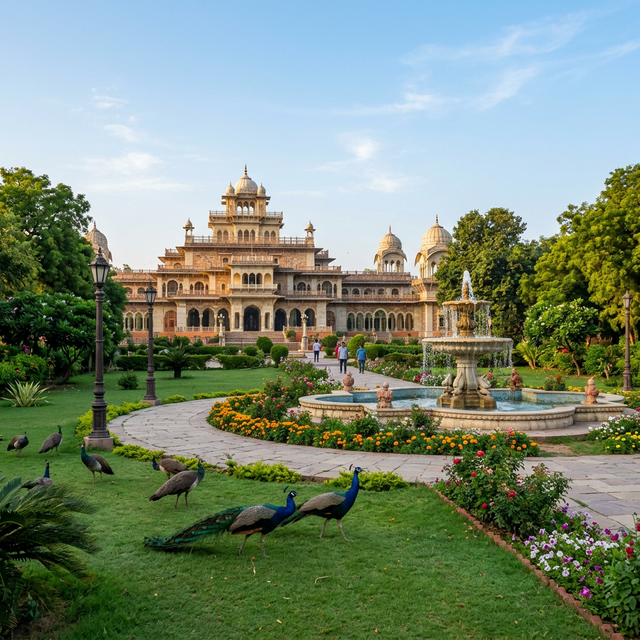
Ram Niwas Garden
A historical public garden home to the Albert Hall Museum, a zoo, and beautiful evening walks.
Maharaja Sawai Man Singh II Museum
Located at City Palace Complex, Gangori Bazaar, Jaipur, Rajasthan 302002, India, approximately 0.9 km from Chhoti Chaupar Metro Station.
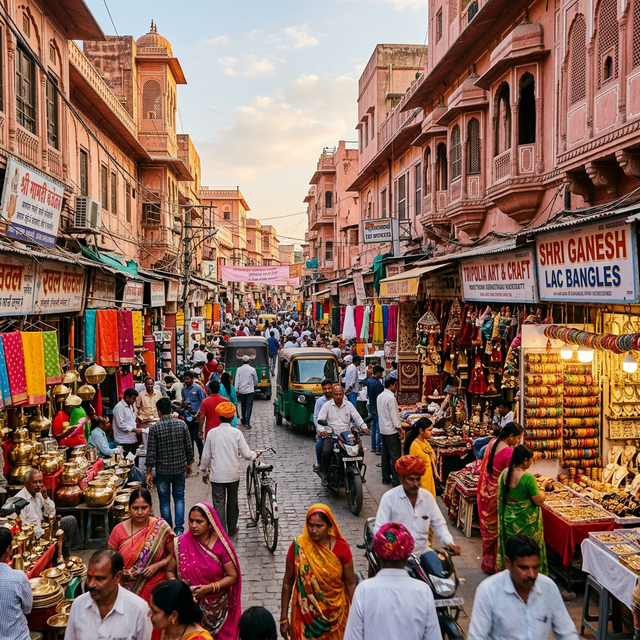
Tripolia Bazaar
Located at Tripolia Bazar, Pink City, Jaipur, Rajasthan 302002, India, approximately 0.1 km from Badi Chaupar Metro Station.
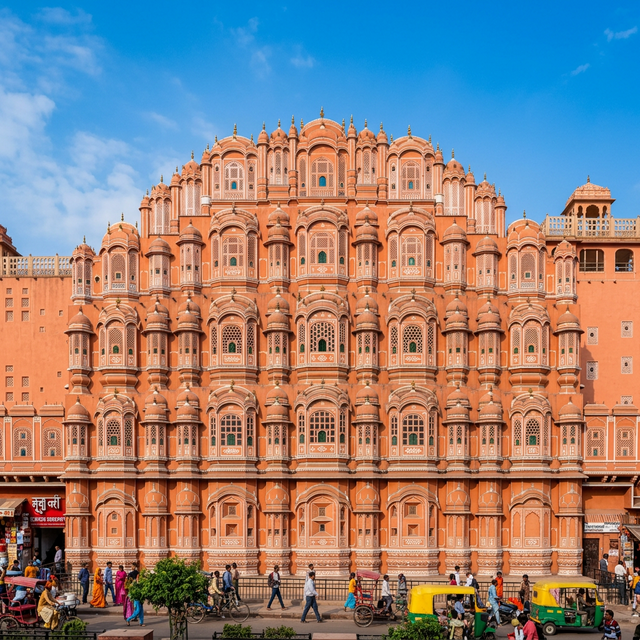
Hawa Mahal
Located at Hawa Mahal Road, Badi Choupad, Pink City, Jaipur, Rajasthan 302002, India, approximately 0.2 km from Badi Chaupar Metro Station.
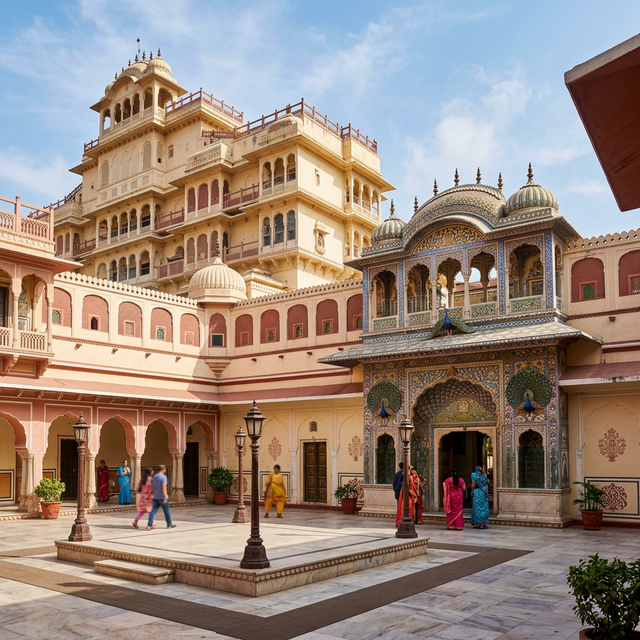
City Palace
The royal seat of the Jaipur House since 1729, a blend of Rajput, Mughal, and European architecture across multiple courtyards. Highlights include the Mubarak Mahal, Diwan-e-Khas with its legendary silver vessels, and the Maharaja Sawai Man Singh II Museum. The royal family still resides in part of the palace.
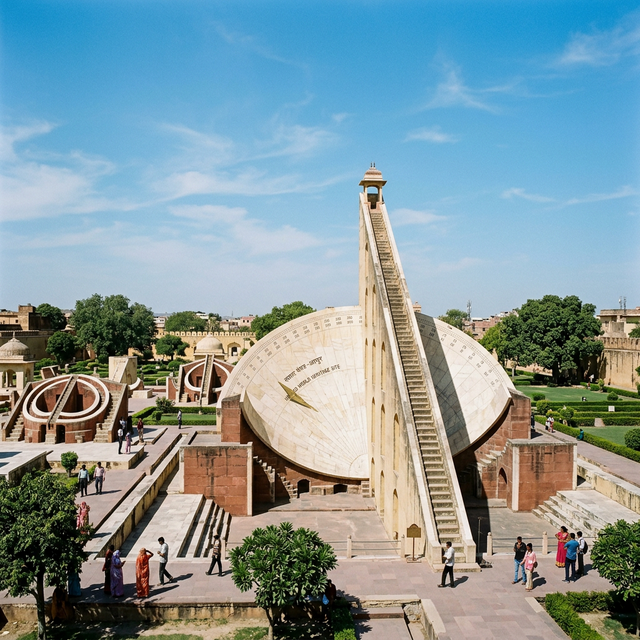
Jantar Mantar
Located at Gangori Bazaar, J.D.A. Market, Pink City, Jaipur, Rajasthan 302002, India, approximately 0.2 km from Badi Chaupar Metro Station.
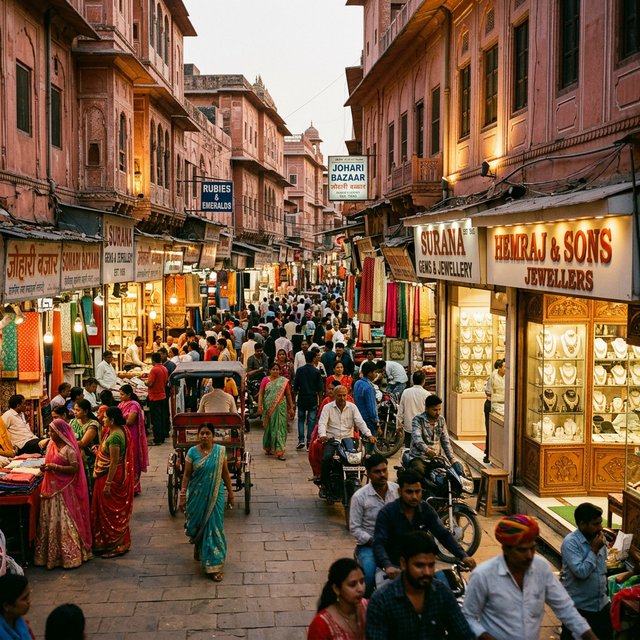
Johari Bazaar
The world-famous jewelry market known for precious gemstones, Kundan jewelry, and silver artifacts.
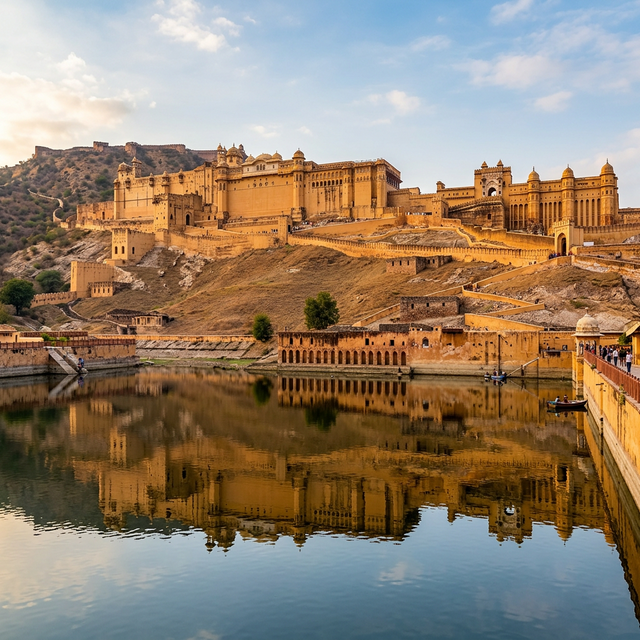
Amer Fort
A massive hill fort known for its artistic style elements, including the Sheesh Mahal (Hall of Mirrors).
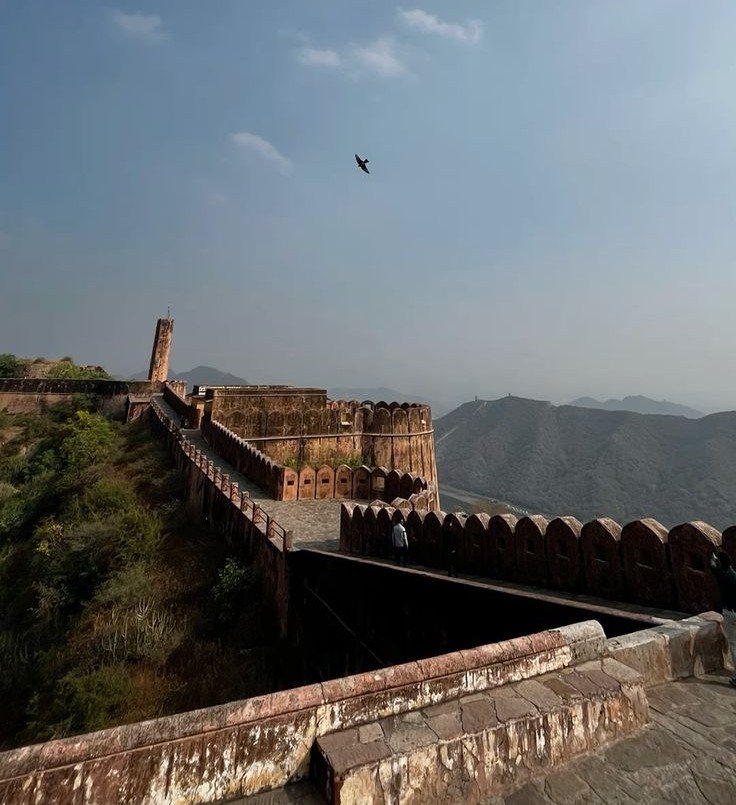
Jaigarh Fort
The 'Victory Fort' home to the world's largest cannon on wheels and offering great views of Amer Fort.
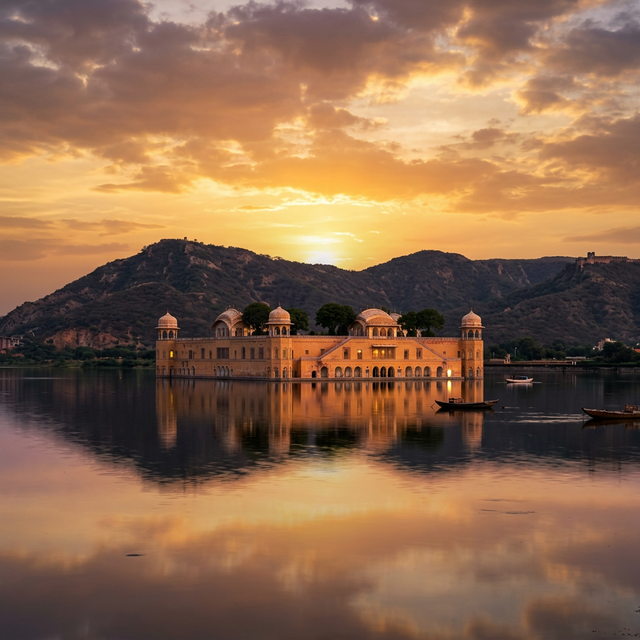
Jal Mahal
A 5-storey palace floating at the center of Man Sagar Lake. While the lower four storeys are submerged when the lake is full, the top floor remains visible. It's one of Jaipur's most tranquil and beautiful sights, especially during sunset when its lights reflect in the water.
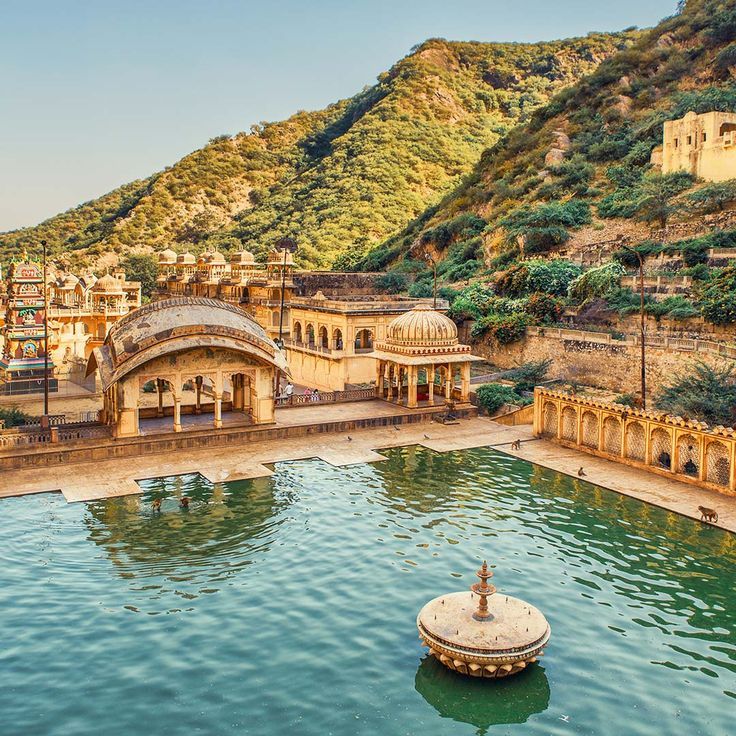
Galta Ji Temple
An ancient Hindu pilgrimage site known for its natural springs, holy kunds, and resident monkeys.